
I plan, design, build, and improve websites.

Some are new. Most are existing sites that stopped representing the business a while ago. I work out what the site needs to do, then design it, build it, and keep improving it after launch — same person for all four.

Tell me where you're at →
Annie Vickrey

I managed the specialists — strategy, design, development, SEO — at four agencies before going out on my own.

LevLane Digitas Health R/ND 8bit Studio
What people who worked with me say

Annie contributed to the selection of optimized processes that saved us money and time. She knows the ins and outs of the C-suite, the management team, and the needs of the intern, and how they all go together to create one cohesive organization. From marketing to sales to strategy, I would trust my greatest endeavor or biggest challenges with the person who would actually get it done.

Drew Prescott · CEO, R\ND

She takes the time to get organized, asks questions to fully understand the scope of projects, and displays a genuine interest in optimizing workflows that benefit multiple cross-teams. A critical thinker and solution-driven team member.

Roxie Donald · Digitas Health

Annie has the qualities of a leader I would hope to see in a Senior UX/UI designer. She has gone above and beyond to produce exemplary results, and is able to see the unique qualities each of her teammates brings to the table.

Melinda Wise · RenPSG

Does any of this sound like your website?

Select anything that sounds familiar. You don't need to diagnose it correctly.

Nothing exists yet

It doesn’t say the right thing

It doesn’t work properly

It can’t keep up

Something else, or all of it.

Four stages, one person.

By the time something is visibly wrong with a website, the decision that caused it is usually one or two stages upstream. A redesign then produces a better-looking version of the same problem. That’s the argument for doing all four.

01 — PLAN

Work out what the site has to accomplish, before anything gets designed.

Goals · who arrives and what stops them · audience and competitive research · an audit of what’s there · positioning and messaging · content strategy · sitemap and information architecture · technical and integration requirements · scope.

I don’t open with “how should this look.” I open with “what does this have to do.”

02 — DESIGN

The plan becomes the actual thing.

Visual direction · applying the brand you have, or developing enough of one if you don’t · typography, color, art direction · the words on the page · UX and UI · responsive behavior · interaction · accessibility built in rather than retrofitted.

03 — BUILD

I build the production site. It doesn’t get handed to a developer who has never been in the room.

Front-end development · forms and the systems they feed · APIs and integrations · analytics · SEO and structured data implemented, not recommended · QA across browsers and devices · accessibility and performance · deployment and launch.

  • Next.js
  • React
  • Astro
  • Tailwind
  • shadcn/ui
  • Supabase
  • Vercel
  • Cloudflare
  • GitHub
  • Figma
04 — OPTIMIZE

Launch is a milestone, not a finish line.

New pages and features · performance · SEO · accessibility · analytics and what they’re actually telling you · conversion improvements · content changes · new integrations · technical cleanup · maintenance.

I keep building the site after it launches, on a retainer. You don’t get handed a CMS and left to it.

Recent work

Nice Yacht Repairs

A brochure and an idea, built into a site they can hand over while shaking hands at the pier.
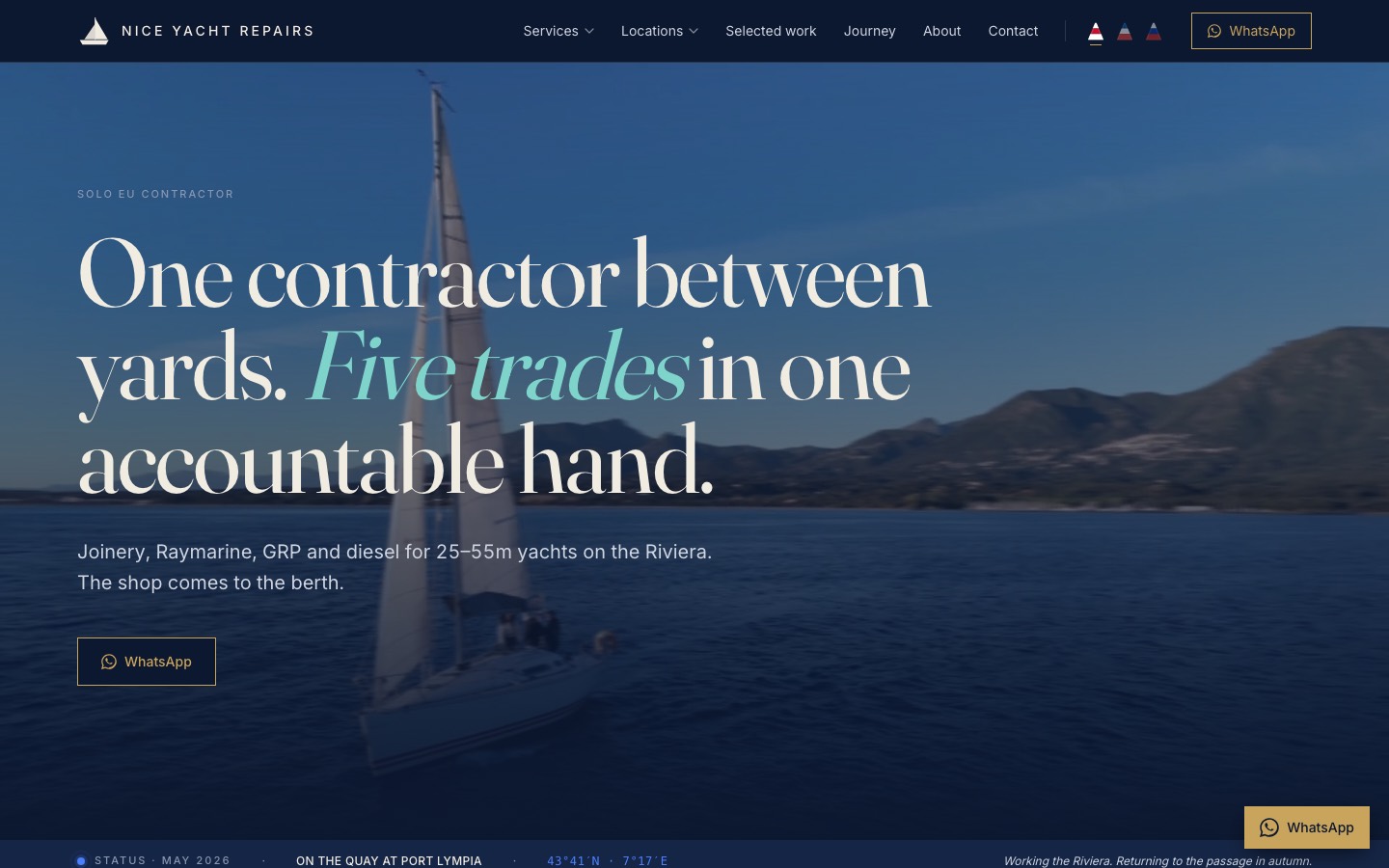
The Nice Yacht Repairs homepage

Before this, I had an idea and a PDF.

Now I am proud when I show people what I do

— friends, colleagues, someone who might hire me. If you want to be found for your work, you need this.

Vsevolod SychevNice Yacht Repairs · Port Lympia, Nice

What they had

A printed brochure and five trades never described as one offer.

What I did

  • PlanTurned it into a positioned offer: five trades, one contractor, 25–55m boats on the Riviera.
  • DesignWrote the site around the boats they serve, rather than the services they list.
  • BuildA page for each service, location and past job. WhatsApp within reach on every screen, because the enquiry starts dockside.
  • OptimizeIt launched and I kept working on it — page weight, accessibility, and the search work that only starts to matter once real enquiries arrive.
Tell me where you’re at →

With clients now.

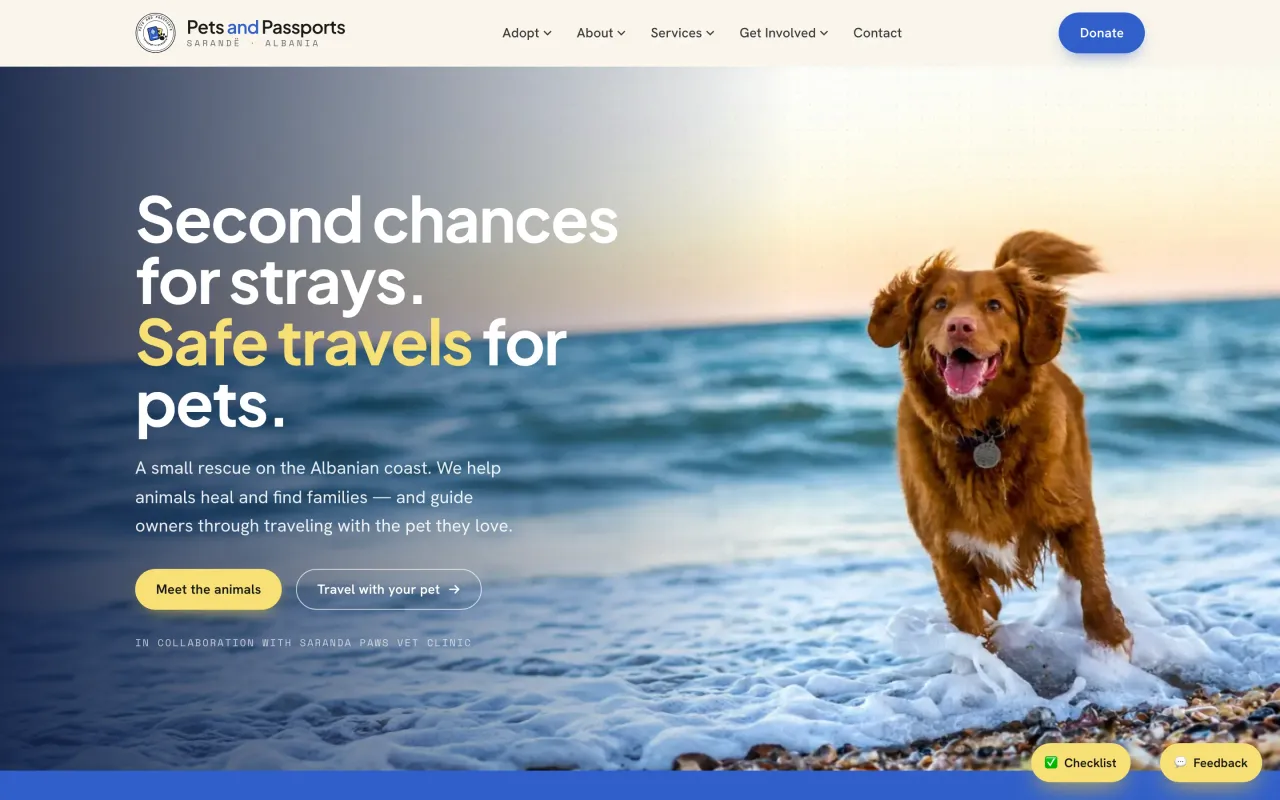
Pets & Passports
Pets & Passports

Albanian Airways

Being reviewed · Coming-soon landing page.

View the site

Concept work.

Neither of these was commissioned. I built them to work something out.

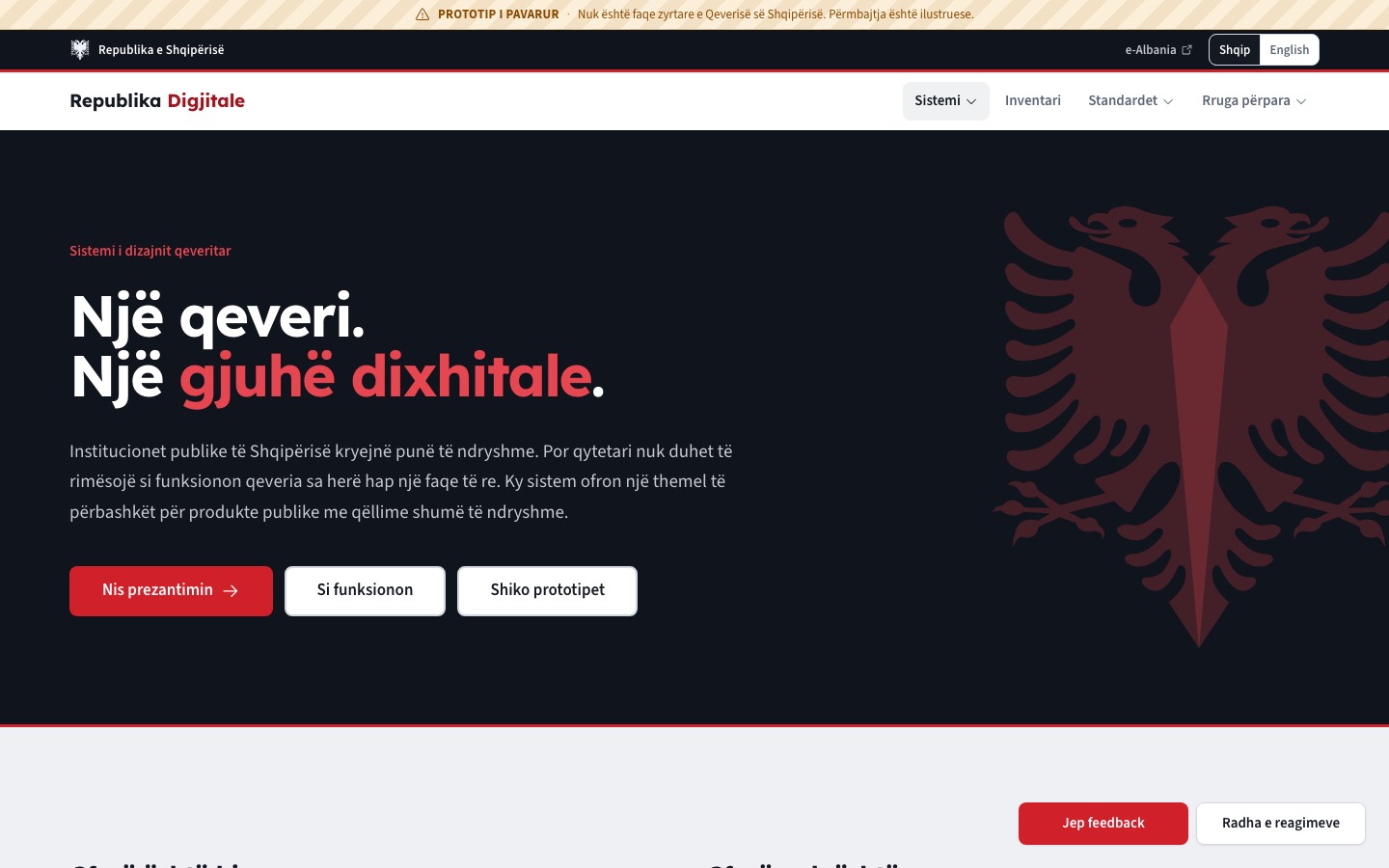
The Republika Digjitale design system

01 — Government design system

Republika Digjitale

Albania’s institutions each build their own site, so a citizen relearns how government works every time they open one. Proposed as a single component library across all 196.

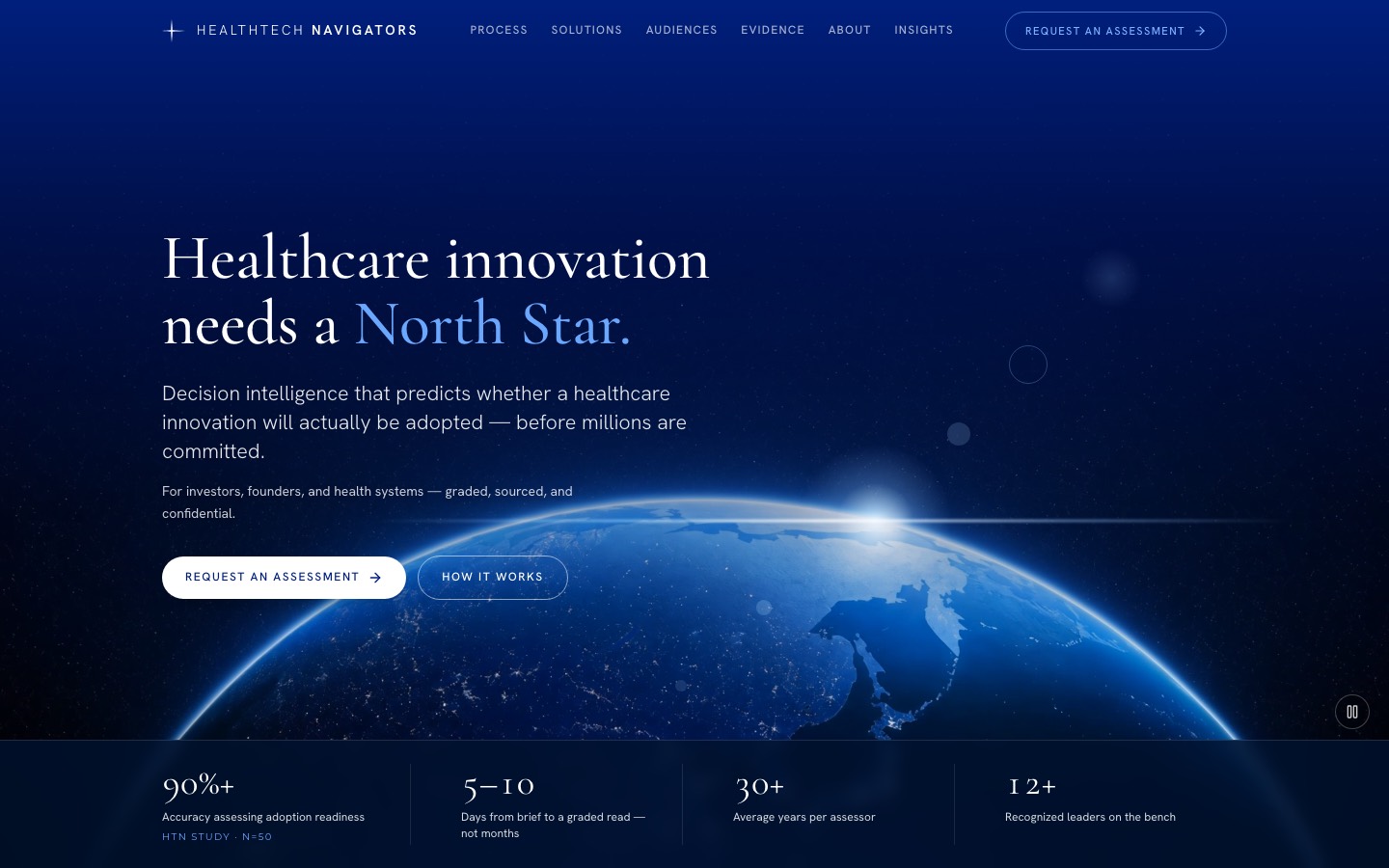
The Healthtech Navigators site

02 — Healthcare

Healthtech Navigators

A scoring framework for whether a healthcare product will actually get adopted — built to see whether the whole thing could be made legible in a single screen.

I spent five years on the other side of the launch.

Inside agencies and studios, reviewing everyone else’s websites, UX, technical work and copy before any of it was allowed to ship. Designers, developers, SEO, analytics, content, vendors, budgets, QA. I didn’t learn websites by becoming a freelance designer — I learned them by watching which upstream decision caused which downstream disaster.

Every website specialist’s diagnosis bends toward whatever they sell. A designer sees a design problem. An SEO sees a search problem. A developer sees a rebuild. I get paid across all four stages, so I have no reason to tell you it’s the expensive one.

  1. 50+concurrent client web engagements overseen as VP of Operations at R\ND — design, development, SEO, CRO, analytics, content
  2. 10+external vendors coordinated across copy, design, development and search
  3. Multi-milliondollar budgets run for global healthcare and pharmaceutical clients at Digitas Health
  4. 5 yearsfrom agency producer, to VP of Operations, to designing and building the sites myself

Tell me where you’re at →

Start with where you are.

Before any of those four stages starts, this is how we work out which one you actually need. You only have to do the first step.

  1. Step one

    Show me what you have.

    Send whatever already exists — the idea, the site, the documents.

  2. Step two

    I find the actual problem.

    Usually it sits a stage or two upstream of whatever is visibly wrong.

  3. Step three

    I tell you what I’d do.

    Priorities, scope, budget, and what should wait until later.

  4. Step four

    We start wherever you need me.

    Plan, design, build, or take over improving what already exists.

Reasonable questions before handing someone your website.

How much does it cost?

You need a minimum budget of $2,000 to start. Beyond that it depends on the scope of the project and how many stages you need — a plan on its own costs a fraction of a plan, design, build and launch. Tell me your range and I’ll tell you what it can accomplish, or say so if it can’t.

How long does it take?

A plan on its own is usually one to two weeks. A landing page is a couple of weeks. A full site is usually four to ten, depending on how many pages there are, how much content has to be written, and how quickly decisions come back. That last one is the variable that actually moves timelines, which is why the review layer exists.

Do I need my content ready?

No, and most people don’t have it. Writing is part of the work — I’ll write what needs writing and tell you what only you can supply. Waiting until the copy is finished is how websites take a year.

Do I need a brand already?

No. If you have one, I’ll apply it properly. If you have a logo and nothing else, I’ll develop enough of a system for the site to be coherent — type, color, how it sounds. A full identity is a separate project, and I’ll say so rather than quietly doing half of one.

Do you actually build it, or hand it off?

I build it. The person who worked out the architecture is the person writing the code, which is why the design doesn’t quietly degrade somewhere between the file and production. No subcontracted developer meeting your project for the first time in week six.

Can my team update it afterward?

No, and that’s deliberate. Handing over a CMS is how a carefully built site turns into a broken one over eighteen months. I build it and I maintain it — updates come through me on a retainer. You own the code, the domain and the accounts, so if you’d rather take it elsewhere later, you can.

What do you need from me?

Context, honest answers, timely decisions, and the things only you have — photos, DNS records, account access. The launch checklist tracks all of it, so nothing goes missing at the worst moment. I can do the investigation and the production. I cannot independently determine what is inside your head.

What happens after launch?

I keep it running. Hosting, updates, new pages, performance, SEO, accessibility, and whatever else the site turns out to need — on a retainer. If you’d rather stop at launch, you can. You own the code, the domain and the accounts.

Tell me where you’re at →

Bring me the idea, the site that stopped working, or the one nobody has touched in years.

I’ll work out what it needs, what it doesn’t, and the most sensible order to do it in.

Bringing with you
Which situation are you in?
What can you realistically invest?

A range is enough. I’ll tell you what it can accomplish at that scale.

0 things sound familiar